
All Stories
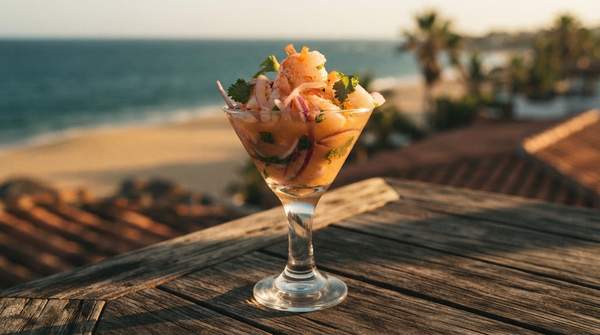
Three Ceviches, One Country: How Peru's Coast, Andes, and Jungle Each Reinvented Its National Dish
Discover how Peru's iconic ceviche transforms across its diverse regions, from the Pacific coast to the Andes mountains and the Amazon jungle, each offering a unique take on the national dish.
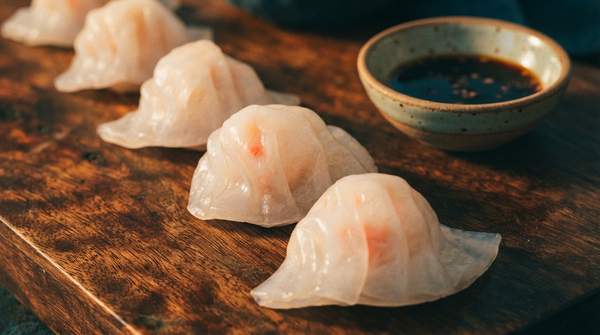
Two Dumplings, Two Chinas: What Separates Northern Jiaozi from Cantonese Har Gow
Chinese dumplings vary significantly across regions, with Northern Jiaozi being hearty wheat-flour parcels and Southern Har Gow being delicate, translucent shrimp dumplings, shaped by climate and local ingredients.
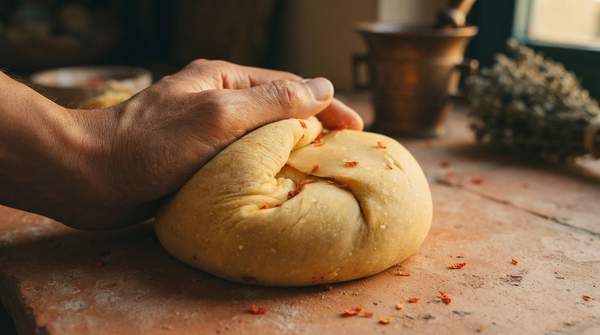
Two Doughs, Two Italies: Why Southern Semolina Pasta and Northern Buckwheat Pizzoccheri Are Worlds Apart
Italian pasta traditions are deeply rooted in regional agriculture, with the South favoring durum wheat semolina for sturdy, hand-shaped pastas and the North utilizing buckwheat for hearty ribbons like pizzoccheri. Understanding these distinct doughs—semolina and water versus buckwheat and wheat—reveals how ingredients shape texture, form, and classic pairings.
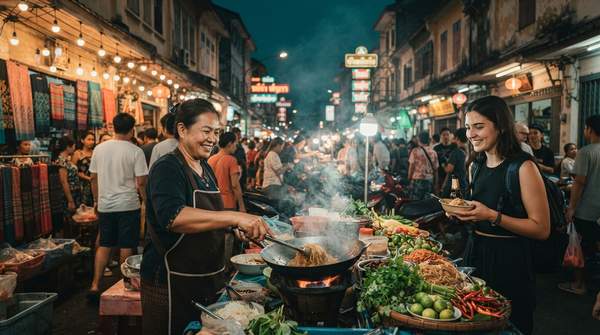
Thailand for Energy, Vietnam for Chaos, Laos for Chill: Which Southeast Asian Night Market Country Fits You?
Discover which Southeast Asian country best suits your night market preferences, from Thailand's energetic first-timer appeal to Vietnam's chaotic charm, Malaysia's fusion flavors, and Laos' laid-back vibe.
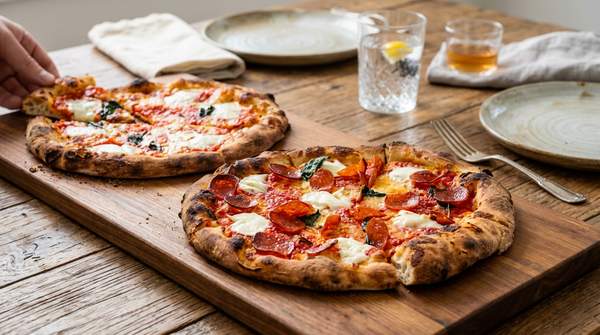
The Spicy Side of Antico Casa Starts With Diavola
Antico Casa is a super-premium frozen pizza line that delivers a Michelin-awarded experience from the hands of an Italian maestro directly to your home. For those seeking authentic, bold flavors, the journey into this el…

Before Alice Waters: The Surprising, Century-Long Road to California Farm-to-Table
The farm-to-table movement, often associated with Alice Waters, has a history stretching back over a century, beginning with a 1915 US Post Office initiative focused on economics and evolving into a philosophy of ethical food sourcing.

Spain Doesn't Have One Wine Country — It Has Four: How to Pick Yours
Spain boasts four distinct wine regions—Rioja, Ribera del Duero, Priorat, and Jerez—each offering unique experiences for travelers based on their style and wine preferences. The article guides you in selecting a region and crafting a logical itinerary to maximize your trip.
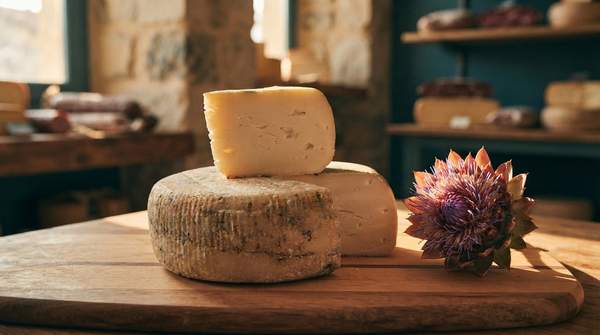
How Microbes and the Aging Cellar Create the Flavors of Artisanal Cheese
Artisanal cheese flavors are primarily created by deliberate microbial cultivation on the rind or within the cheese, driven by cheesemaking techniques and aging environments. These microbes break down proteins and fats, leading to distinct taste profiles in washed-rind, bloomy-rind, and blue-veined cheeses.
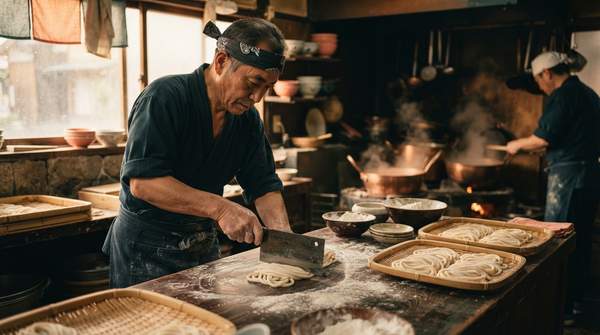
From Chinese Import to Comfort Staple: A Short History of Udon
Udon noodles, a staple in Japan, trace their origins back to Chinese knife-cut noodles introduced in the early 1200s. This article explores their centuries-long evolution from temple food to fast food, regional variations, and enduring legacy.
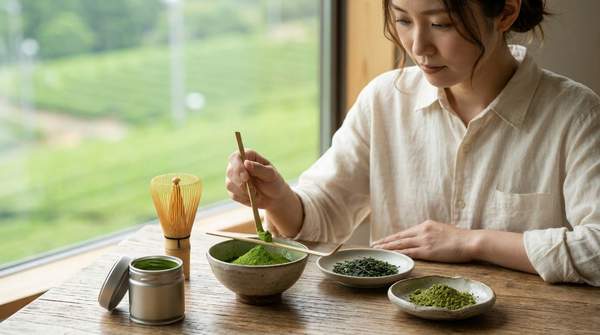
Are You Making These 5 Matcha Sourcing Mistakes? Matcha X World Doesn't
The demand for high-quality matcha is growing rapidly, but as more options appear on shelves in Singapore, so does the confusion. Many enthusiasts, keen to enjoy its benefits, make critical matcha sourcing mistakes witho…
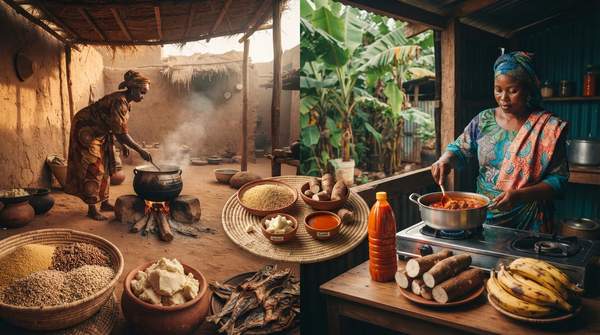
Two Kitchens, One Region: What Separates Sahelian and Coastal West African Cooking
West African cuisine is not a single tradition but divided by climate into distinct culinary worlds: the Sahelian, favoring shea butter and grains, and the humid coastal/forest regions, using palm oil and root vegetables. Understanding these differences and their historical spread is key to appreciating this globally recognized cuisine.
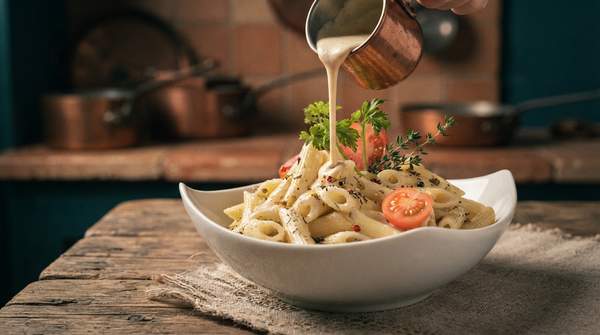
Why Italy Has Hundreds of Pasta Shapes: The North-South Divide Explained
Italy's vast array of pasta shapes is rooted in a North-South agricultural divide: Northern regions use soft wheat and eggs for rich doughs, while Southern Italy employs durum wheat and water for robust, hand-shaped forms. This distinction explains regional pasta types, their textures, and ideal sauce pairings.
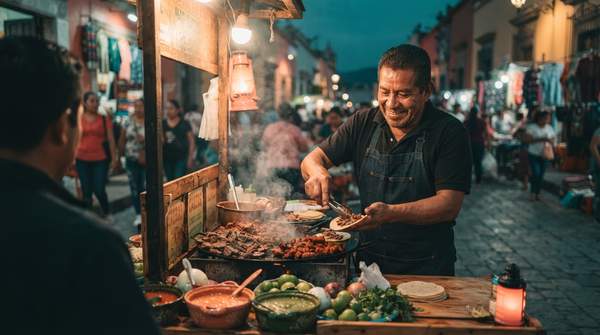
Oaxaca, Yucatán, or Baja: Which Mexican Street Food Region Should You Eat Your Way Through?
Mexico offers diverse regional street food experiences, from Oaxaca's late-night tlayudas to Yucatán's morning cochinita pibil and Baja's daytime fish tacos. This guide helps you choose your next culinary adventure by matching regional flavors, timings, and settings to your travel style.
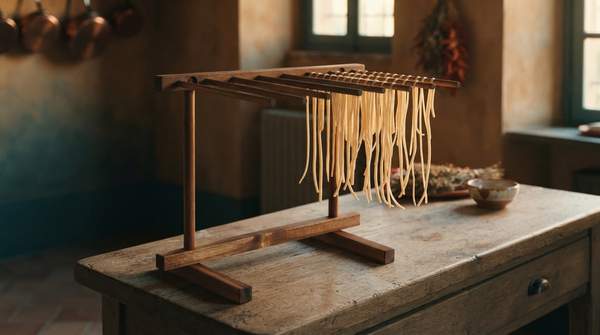
Slow Dried vs. Fast Dried: The Science Behind Why Some Pasta Grips Sauce and Some Doesn't
The drying process significantly impacts pasta quality, with traditional slow drying preserving protein structure for better texture and sauce adherence. Modern fast drying uses high heat that can damage proteins, affecting the eating experience and sauce-gripping ability.

How to Avoid Choosing the Wrong Energy Drink (and Why Maxiki Energy Drink Fits)
Choosing the right energy drink often feels like a gamble. With countless options promising peak performance, it's difficult to know which can deliver a clean, effective boost without unwanted side effects. The process o…
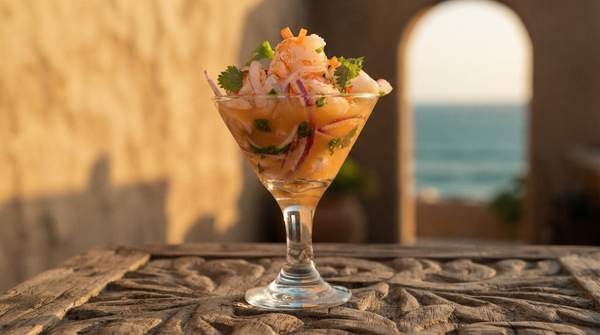
Four Ceviches, One Country: How Peru's Coast, Andes, and Amazon Each Cure the Fish Their Own Way
Peru's ceviche is not a single dish but a diverse family, with regional variations dictated by local geography. From coastal white fish to Andean trout and Amazonian river fish, each style reflects the unique ecosystems and ingredients of its region.

Black Pepper, Apples, and Lamb: How Three Silk Road Foods Remade the World's Cooking
The Silk Road was a vital conduit for food, with black pepper, apples, and lamb dramatically reshaping global cuisines. These ingredients not only flavored existing dishes but also led to new culinary traditions, such as the Hui cuisine of Xi'an.
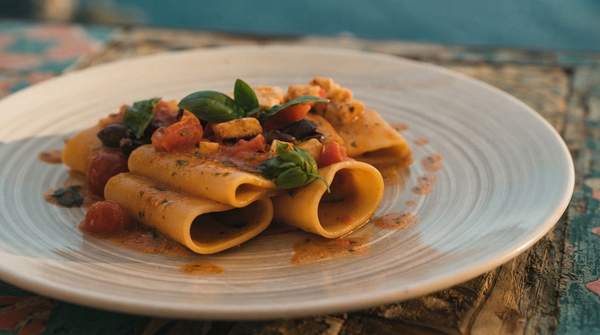
Three Iconic Regional Italian Pasta Dishes, Decoded for Home Cooks
Explore three iconic regional Italian pasta dishes: Tagliatelle al Ragù, Bucatini all'Amatriciana, and Pasta alla Norma. Learn how their unique pasta shapes are expertly paired with traditional sauces and local ingredients, embodying the principle of 'form follows function' in Italian cuisine.

Cooking Class, Food Tour, or Week-Long Immersion? Choosing Your Italian Culinary Experience
Choosing an Italian culinary experience depends on your goals: single-day classes for skills, food tours for local flavors, and multi-day immersions for deep cultural engagement.
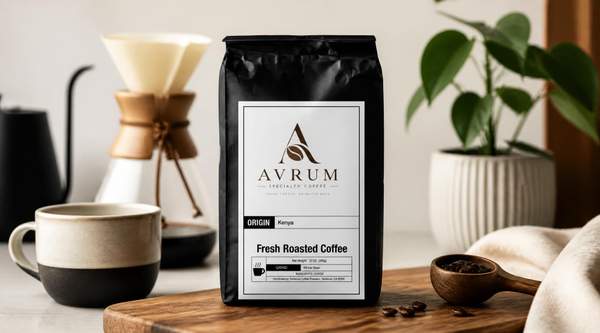
The 5 Gourmet Coffee Pitfalls Coffee Enthusiasts Fall Into—And Avrum Coffee's Fix
The pursuit of the perfect cup of coffee is a journey filled with nuances. As consumer preference for premium coffee products grows, many enthusiasts inadvertently make mistakes that compromise the quality of their brew.…
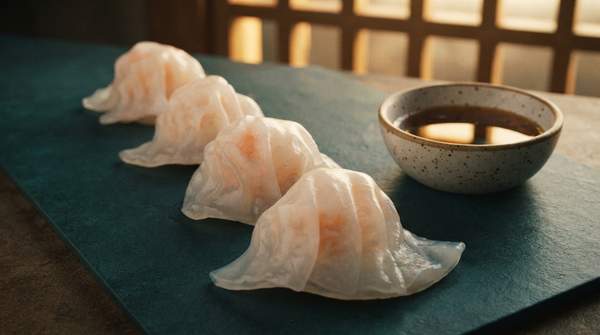
Jiaozi vs. Har Gow: How Two Chinese Dumplings Tell Two Regional Stories
Northern Chinese jiaozi and Cantonese har gow represent distinct regional culinary traditions, differing in wrapper, filling, and cooking method due to their roles as staple food versus dim sum delicacy.
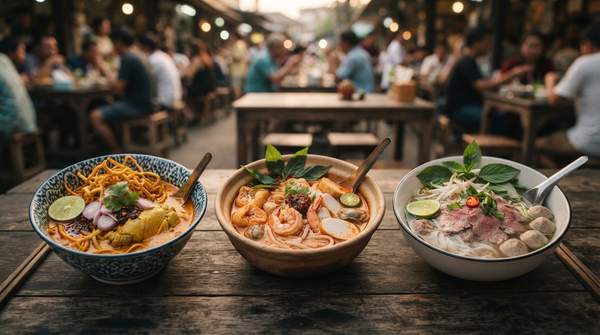
Khao Soi vs. Laksa vs. Pho: How to Tell Three Iconic Southeast Asian Noodle Soups Apart
Learn to distinguish between Khao Soi, Laksa, and Pho, three iconic Southeast Asian noodle soups. Understand their unique broths, origins, and flavors to choose your next culinary adventure.
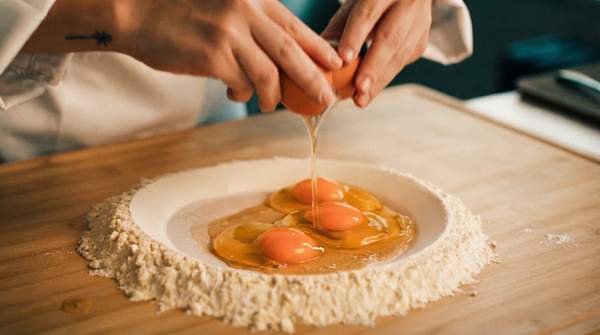
From Silky to Chewy: Choosing the Right Italian Flour for the Pasta You Want
Choosing the right Italian flour is crucial for achieving your desired pasta texture, whether silky and tender or firm and chewy. Understanding the differences between soft wheat ('00' grano tenero) and durum wheat (semola rimacinata), and focusing on protein content over milling fineness, will guide your selection.

From Kipferl to Croissant: How Royal Courts, Austrian Bakers, and Two Chefs Codified French Patisserie
The croissant's journey from an Austrian Kipferl to a flaky French pastry highlights centuries of technical refinement and foreign influence. Key chefs like Carême and Escoffier codified these techniques, transforming baking into a structured, teachable discipline.