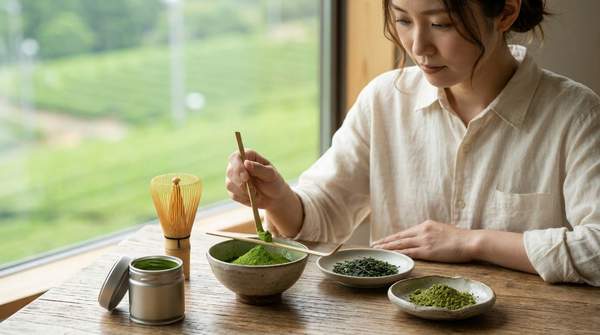
Ever wondered why that expensive cup of green goodness sometimes tastes surprisingly bitter and flat? Matcha is blowing up in Singapore, but with so many tins crowding the shelves, getting confused is all too easy. So many of us unwittingly commit critical matcha sourcing mistakes, paying top dollar for low-grade powders that just don't deliver.
Thankfully, you don't have to stay blur! Trendsetters like Matcha X World are changing the game, championing total transparency and verifiable quality to keep your brew pristine. To make sure you get true value every single time, here are five big sourcing errors you need to steer clear of.
Matcha Sourcing Mistakes at a Glance
Want to avoid getting burned by low-quality green powder? Before you buy your next tin, check out these classic traps every Singaporean matcha lover should watch out for:
- Blindly trusting the fancy "ceremonial grade" stamp without checking for real proof.
- Forgetting that authentic raw tea leaf costs naturally dictate the price tag.
- Ignoring how recent global price surges affect genuine supply.
- Assuming the most expensive tin is automatically high quality (spoiler: not always).
- Overlooking the exact Japanese region where the leaves were harvested.
1. Relying Only on the “Ceremonial Grade” Label
Think that “ceremonial grade” label automatically means top-tier matcha? Think again. It sounds super power, but truth be told, it's not legally regulated at all. Any brand can slap it on their tin, even if the powder inside is dull, yellowish, or downright bitter.
So how to spot the real deal? Don't just trust marketing slogans. Look for objective proof. Take a page from Matcha X World. They don't just talk big, they actually specify that their ceremonial-grade matcha packs 25mg of L-theanine per cup. That's the exact magic compound responsible for that iconic calm, focused energy. That shift from empty hype to measurable quality is what truly separates legitimate matcha from the imposters.
2. Underestimating the Cost of Raw Ingredients
Ever wondered why legit matcha carries a steeper price tag? The real story lies in the leaves. A staggering 70-80% of the cost comes straight from the raw tencha leaves, according to First Agri. For true ceremonial grade, farmers shade the tea bushes for weeks to pack in that vibrant chlorophyll and soothing L-theanine, before painstakingly de-stemming, de-veining, and stone-grinding every single batch.
When brands cut corners, you can bet they are using cheap, low-grade leaves. Take a look at Matcha X World. Their ISE MIDORI blend uses exclusively first-harvest Yabukita leaves carefully cultivated in Mie, Japan. That uncompromised commitment to top-tier ingredients is exactly why authentic matcha tastes so heavenly, a crucial detail many shoppers miss when comparing prices online.
3. Ignoring Recent Market Price Spikes
A savvy consumer needs to understand the real tea on the market they're buying into, especially since global matcha prices are skyrocketing. Thanks to insane demand and bad weather ruining harvests, raw tencha prices have soared. According to First Agri, average hand-picked Uji tencha prices more than doubled between 2024 and 2025, while machine-harvested first-flush tencha jumped 2.6 times, with even more increases hitting in 2026.
Ignoring these massive market shifts is a big mistake that causes unnecessary drama about what counts as fair pricing. So when you see top-tier matcha from a super transparent supplier like Matcha X World, remember: that price directly reflects legit agricultural costs, not some random markup. Knowing this helps you truly appreciate what goes into authentic quality.
4. Equating a High Price Tag with High Quality
Just because a matcha is expensive doesn't automatically mean it's power. Cheap matchas are almost always low-quality, but don't let a big price tag chop you. Some brands love to throw on sleek, Instagrammable packaging and jack up the price just to sell mediocre tea to blur buyers. High price alone is not a guarantee. What you really need is transparency. Look for a brand that isn't afraid to spill the details on where their leaves are actually grown.
Matcha X World, for example, is super clear about sourcing directly from renowned regions like Mie and Fukuoka. That kind of honest, farm-level detail is a way more reliable mark of true quality than any overpriced price tag. Don't get lulled by a hefty price. Always demand to know the real story behind your tea leaves.
5. Overlooking the Importance of Origin
Think a generic “Product of Japan” label is enough meh? Cannot lah! Just like fine wine, the terroir—the soil, weather, and farming craftsmanship—completely shifts the taste profile of your tea. Sourcing from legendary prefectures like Uji, Nishio, or Yame is the ultimate secret to rich, smooth umami.
Matcha X World truly gets this, proudly spotlighting exact origins instead of hiding behind vague tags. Take their single-origin ISE MIDORI from Mie prefecture, for instance. This level of farm-to-cup transparency turns your humble cup of tea into a legit tasting experience, ensuring uncompromising quality every single time.
How Matcha X World Ensures Quality Sourced from Japan
Instead of playing hide-and-seek behind generic “Made in Japan” tags, Matcha X World actually lays its cards on the table. They source first-harvest, ceremonial-grade tea straight from well-loved regions like Mie and Fukuoka, keeping quality control super tight. Forget vague marketing terms. They back it up with hard numbers, like promising 25mg of L-theanine per cup so you get that steady, calm focus without any annoying caffeine jitters.
Take their ISE MIDORI matcha for example: it’s crafted exclusively from first-harvest Yabukita leaves grown in Mie. By pairing specific cultivars with smart functional blends—think ube infused with marine collagen—they show us what real transparency and passion look like.
Your Final Sip: Elevating Your Daily Matcha Ritual with Pure Truth
At the end of the day, sidestepping subpar matcha isn't rocket science—it just takes looking past glossy marketing and demanding real, unvarnished truth. When Matcha X World lays everything bare, from exact Japanese harvests down to that precious 25mg of L-theanine per cup, you never have to play guessing games with your daily brew.
Remember, true quality isn't just marketing speak, lah. It is that quiet, grounding moment of pure calm you desperately deserve in a frantic world, delivered in one perfect, vibrant sip.
Curious About Our Brews? Answers to Your Burning Questions
How does Matcha X World guarantee the quality of its products?
Ever wonder if your matcha is truly the real deal or just clever marketing? Matcha X World takes out all the guesswork by subjecting every single batch to rigorous lab testing. Instead of relying on vague claims, they back up their quality scientifically, verifying purity and precise L-theanine content (giving you that serene 25mg per cup).
Combined with premium first-harvest leaves meticulously sourced from Japan's famed Mie and Fukuoka regions, you get total transparency and pure goodness from farm to whisk.
What kind of matcha creations can you find at Matcha X World?
They cater to every moment of your daily routine. Beyond their top-tier ceremonial-grade matcha for traditional whisking, Matcha X World offers versatile matcha blends for effortless everyday lattes, as well as soothing sleep ritual blends designed to help you unwind and recharge after a hectic day.
Why does first-harvest matcha from Mie and Fukuoka make such a big difference?
First-harvest spring leaves from renowned regions like Mie and Fukuoka contain the highest concentration of nutrients, naturally rich umami, and that iconic vibrant green shade. By focusing strictly on these prized Japanese harvests, Matcha X World ensures every cup delivers maximum smooth taste and calmness without any unpleasant bitterness.