If you're planning a food-first trip to Mexico, the real question isn't whether to eat street food—it's which regional scene matches your rhythm. Oaxaca rewards night owls with smoky, late-night tlayudas; the Yucatán Peninsula runs on cochinita pibil, an overnight-roasted pork that vanishes from stalls by midday; and Baja California serves crispy battered fish tacos steps from the Pacific. Same country, three completely different clocks, settings, and flavors.
Discovering Mexico's Diverse Street Food Scenes
Here's the thing many first-time visitors miss: there is no single "Mexican street food." A market in Oaxaca feels entirely different from one in Mérida, Guadalajara, Puebla, or Mexico City—local ingredients, family recipes, cooking methods, and even breakfast traditions shift dramatically from region to region. Rather than the same menu repeated everywhere, each market reflects the history and agricultural traditions of its own community.
That regional personality is why a comparative approach beats any generic checklist. Each of the three regions below pairs one signature dish with a distinct vendor environment and an ideal hour on the clock, so you can match the experience to your travel style rather than chasing dishes at the wrong time of day.
Oaxaca: The Heart of Tlayudas and Night Markets
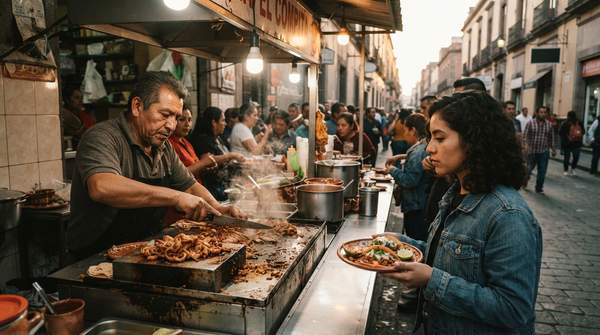
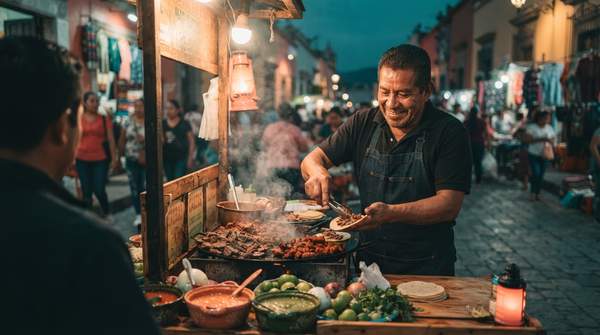
Oaxaca's signature street food is the tlayuda, sometimes called an "Oaxacan pizza" for its flat, crispy character. Travel writer Devesh Mishra describes a layered flavor profile: an earthy masa base spread with rich beans, topped with protein, cool crema, and fresh cheese, all carrying bold, smoky flavors—typically MX$25 to 40. The best hunting grounds are Oaxaca City's Centro Histórico, where night vendors set up in the evening and serve into the late night.
There's a daytime cousin worth knowing, too. Larger sandal-shaped versions called huaraches follow the same concept with more surface area, and are usually served as a full lunch plate in markets. Mishra's advice if a stall sells both: order one of each. So Oaxaca gives you both a market-lunch and a late-night option built on the same smoky foundation.
Yucatán Peninsula: Cochinita Pibil's Ancient Roots
Everything about cochinita pibil is dictated by its preparation. Pork is rubbed with recado rojo—an achiote paste—bathed in sour orange juice, wrapped in banana leaves, and slow-roasted, traditionally in an underground pib pit, until it shreds completely. The cooking happens overnight, which is why the dish is eaten as a breakfast or lunch staple, especially on Sunday mornings, in Mérida, Valladolid, and Cancún.
That overnight cycle shapes the street scene as much as the flavor. Cochinita pibil appears at market stalls, street vendors, and traditional fondas—sit-down home-cooking spots—and it's often sold until it runs out for the day. Show up late and you may simply miss it. Served in tacos or tortas, it comes with pickled red onions and habanero salsa on the side, a combination that balances the pork's deep, earthy richness with sharp citrus heat.
Baja California: Coastal Flavors and Iconic Fish Tacos
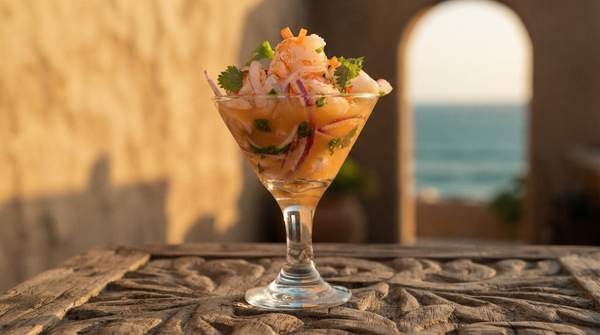
Baja's contribution flips the script from meat to the sea: crispy battered fish in a tortilla with fresh cabbage, creamy sauce, pico de gallo, and a squeeze of lime, served, in the classic Ensenada telling, just steps from the Pacific Ocean. The coastal haul defines the taco—fresh citrus, chiles, herbs, and seafood combine into something that tastes completely different from inland Mexican cuisine while remaining unmistakably authentic.
The vendor environment is informal and open-air—Ensenada's fish taco stands and taquerias draw a motley crowd that one longtime food blogger has described as including fishermen, cruise-ship visitors, and weekend travelers. That mix points to a daytime pattern: this is eating woven into beach trips, fishing charters, and short visits rather than a late-night ritual. If you want the full effect, come hungry on a sunny afternoon with the ocean in view.
Regional Mexican Street Food Comparison
Put the three regions side by side and the contrasts jump out: each signature dish belongs to a specific place, hour, and setting. Use this table to match a region to your preferences before you book anything.
| Region | Signature Dish | Typical Environment | Best Time / Occasion | Flavor Profile |
|---|---|---|---|---|
| Oaxaca | Tlayuda (with huaraches as the market-lunch variant) | Bustling markets and street stalls; night vendors in Oaxaca City's Centro Histórico | Evening or late at night; huaraches at market lunch | Layered: earthy masa, rich beans, protein, cool crema, fresh cheese; bold smoky notes |
| Yucatán Peninsula | Cochinita pibil (achiote- and sour-orange-marinated pork, banana-leaf wrapped, pib-roasted) | Market stalls, street vendors, traditional fondas; often sold until it runs out | Breakfast or lunch; especially Sunday mornings | Deep, shreddable pork with pickled red onions and habanero salsa |
| Baja California | Baja-style fish taco (crispy battered fish) | Beachside stands and taquerias in Ensenada, steps from the Pacific | Daytime, tied to beach and fishing trips (inferred from typical patrons) |
Read row against row and the decision logic becomes clear: night owls get Oaxaca, early risers get the Yucatán, and daytime coastal wanderers get Baja. Note that the flavor-profile cell for Baja is left open here; the evidence ties the dish to crispy batter and fresh toppings but doesn't support a fuller characterization beyond that coastal synthesis.
Choosing Your Next Culinary Adventure
Based on your preference for smoky night market fare, ancient breakfast traditions, or fresh coastal seafood, select Oaxaca, the Yucatán Peninsula, or Baja California for your next street food journey. The matching decision is straightforward: if your ideal evening ends at a midnight stall, book Oaxaca and head to the Centro Histórico after dark; if you're up with the sun, plan a Mérida or Valladolid morning before the cochinita pibil sells out; if your trip is built around beaches and boats, time an Ensenada afternoon for fish tacos.
Two caveats worth carrying: this guide covers three regions, not all of Mexico's street food traditions, and it draws on travel and food writing rather than firsthand testing—so treat the descriptions as typical patterns, not a directory of specific stalls, since vendors and locations change. The measurable next step: your travel itinerary should name specific street food experiences from one of the three featured regions, planned around the recommended times and vendor types—say, a late-night tlayuda run in Oaxaca City or a Sunday-morning cochinita pibil breakfast in Mérida. Plan that, and you won't just be eating well—you'll be eating each region on its own clock.
Sources
- Regional Mexican Street Food Guide: Famous Dishes from Every State — Peppers of Key West
- Mexican Street Food Markets Explained — Peppers of Key West
- The Ultimate Guide to the Best Fish Tacos in Ensenada — Streetgourmetla