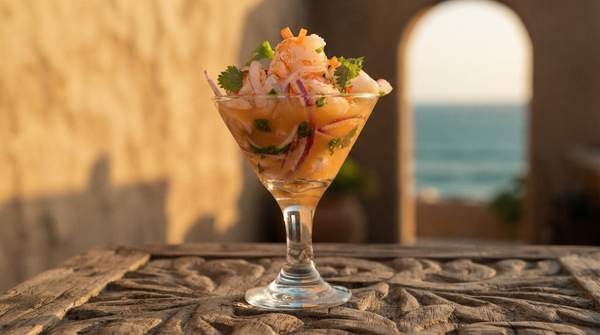
Peru's ceviche is not one dish but a family of them, and the fastest way to tell them apart is to look at what the land provides. On the Pacific coast around Lima, you will find white fish cured and spiced with ají limo, plated alongside sweet potato and corn. Travel north and the ceviche may incorporate mackerel and seaweed. Climb into the Andean highlands and the protein becomes trout, fired by rocoto pepper. Push into the Amazon Basin and the dish turns to river fish cured with tumbo, a passionfruit-like fruit. Each region, as Alpaca Expeditions' guide to Peru's national dish puts it, "adjusts ingredients and accompaniments to local ecosystems and tastes."
Introduction to Peruvian Ceviche's Regional Diversity
Ceviche carries an identity in Peru that goes well beyond the plate. The same guide notes that the dish's recognition as cultural heritage underscores its role as "a cultural practice representing sustainable fishing, regional identity, and intergenerational knowledge transfer." Peruvians eat it daily "across diverse terrains—from coastal fishing villages to Amazonian markets and Andean highlands."
That geographic spread is exactly why the dish refuses standardization. What unites these regional styles is the underlying idea—raw fish transformed by an acidic cure and brightened with local chili. What divides them is everything else: which fish, which fruit supplies the acid, which pepper brings the heat, and what sits beside the dish when it reaches the table. Reading those four signals is like reading a map.
Coastal Ceviche: The Classic and Northern Styles
The Lima style is the version most travelers meet first and the one most often taken as the national template. It is built on fresh white fish, seasoned with ají limo—a coastal chili prized for its fragrance and color—and served with sweet potato and corn. The pairing of sweet, starchy, and crunchy elements against the cured fish is the signature balance of the central coast.
Head north along the coast and the picture shifts. Northern ceviche may incorporate mackerel, a richer, oilier fish than the white fillets of Lima, and it may also bring seaweed into the dish—an ingredient that only makes sense where the ocean's bounty is harvested close to shore. The word "may" matters here: these are additions the region is known to make, not rigid requirements, and the northern style retains its own flexibility.