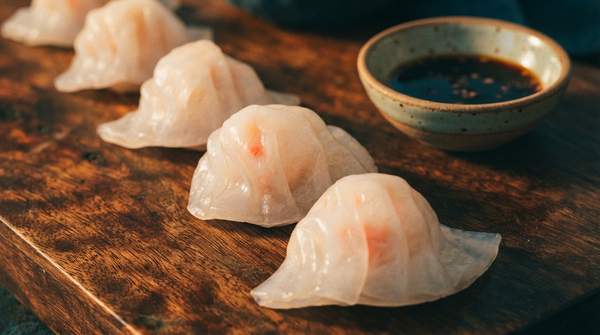
Ask what a Chinese dumpling is and you'll get a different answer depending on where in China you ask. In the north, a dumpling is a hearty, wheat-flour parcel of pork and cabbage, boiled and dipped in vinegar. In the south, it may be a translucent, pleated Har Gow, its shrimp filling visible through a starch-based skin built for steaming. The differences aren't arbitrary: as food writer Diana Chu explains, regional dumpling variations reflect "the representative climate and a people's preferences," producing distinct flavors, shapes, and cooking methods across the country.
The Diverse World of Chinese Dumplings
Dumplings carry deep cultural weight in Northern China, where they are enjoyed as an auspicious food during Chinese New Year and eaten year-round, with a history Chu traces back thousands of years. But "dumpling" is a capacious category. The same basic idea—a filling wrapped in dough—produces wildly different dishes depending on local conditions. A guide from the Auguste Escoffier School of Culinary Arts describes circle-shaped wrappers made simply with water and flour, filled with pork and cabbage or similar combinations of minced meat and vegetables, and often served with chili oil, vinegar, and soy sauce. That plain flour-and-water formula, though, is only one branch of the family. Understanding the category means understanding why some wrappers are thick and chewy while others are delicate enough to see through.
Northern Chinese Jiaozi: Hearty and Robust
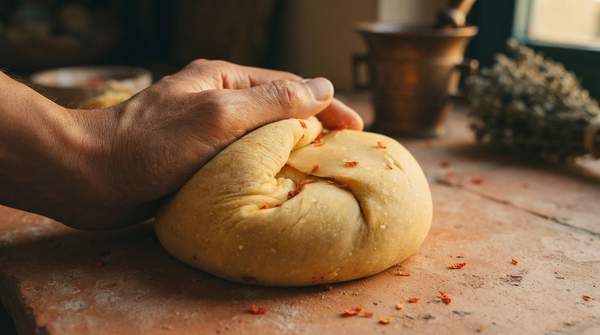
Northern China is climatically colder than the country's southern regions, and Chu notes that as a direct result, northern-style dumplings tend toward heartier, more robust flavors. The wrapper is the workhorse of the dish: thick and chewy, made from wheat flour and water, sturdy enough to hold a substantial filling and survive a rolling boil. That filling typically combines ground pork, beef, or lamb with vegetables such as cabbage, chives, or celery—ingredients that reflect local agricultural availability and northern dietary preferences.
Cooking methods follow the same practical logic. Boiling is the most common approach, producing the classic shui jiao, while pan-frying is a popular treatment, especially for leftovers. The pan-fried style known as Guo Tie, which the Escoffier guide highlights, blends textures in a single dumpling: "deliciously tender tops and crisp, crunchy underbellies," ideal for dipping in chili oil, vinegar, and soy sauce. The result, in Chu's framing, is a hearty and satisfying meal—dumplings that function as sustenance, not just a snack.