If you want to cook a genuinely regional Italian pasta dish, three classics tell you almost everything you need to know: Tagliatelle al Ragù from Emilia-Romagna, Bucatini all'Amatriciana from Lazio, and Pasta alla Norma from Sicily. Each pairs a characteristic pasta shape with a traditional sauce built on local ingredients, and each pairing follows a logic you can learn and reuse. Here is how to tell them apart, and how to choose the one you'll cook tonight.
Introduction to Regional Italian Pasta
Italian cooking is regional before it is national, and pasta is where that truth is most deliciously visible. The same strand of dough becomes something different in Bologna, Rome, and Catania, because each region developed shapes suited to what it had on hand: eggs and slow-cooked meats in the north's Emilia-Romagna, durum wheat and cured pork around Rome, sun-ripened vegetables in Sicily. As DeLallo's guide to pasta shapes puts it, a shape like tagliatelle exists precisely because its flat ribbons are "perfect for capturing chunky, hearty sauces." That is the principle behind every dish in this guide: form follows function.
Emilia-Romagna: Tagliatelle al Ragù
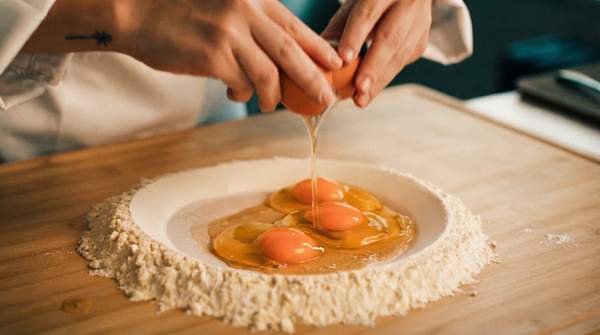
Travel to Emilia-Romagna, in the heart of Italy, and you meet Tagliatelle al Ragù: broad, flat ribbons of pasta bathed in a hearty meat sauce. Tagliatelle originate in that region, made with wheat flour and eggs, and their ribbon shape—close in size to fettuccine—is built to hold a rich ragù. Eataly's regional pasta guide lists the classic pairing as ragù alla Bolognese, and Great Italian Chefs notes that the two main versions of authentic, long-cooked meat ragù come from Naples and Emilia-Romagna. In Italy, tagliatelle rank among the most popular shapes, often serving the role that "spaghetti and meatballs" plays in Italian-American cooking.
Lazio: Bucatini all'Amatriciana
Head south to Lazio and the pasta changes character entirely. Bucatini are thick, hollow strands—a cousin to spaghetti whose name comes from the Italian buco, "hole," as Eataly's guide explains. They are made from durum wheat flour and water, no eggs, which gives them a firmer, chewier personality than northern egg pasta. Their traditional partner is a sauce of tomato and guanciale, cured pork cheek, finished with pecorino and black pepper in the classic Amatriciana. The hollow center is the whole point: it draws the tomato-based sauce inside the strand, so every bite carries the full flavor of the Roman kitchen.