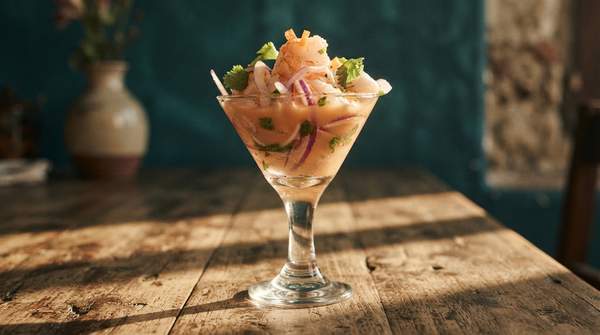
Peruvian ceviche, a dish celebrated globally for its vibrant flavors, is far more than just a meal; it is a profound expression of Peru's rich history, diverse geography, and enduring cultural identity. Its journey spans over two millennia, evolving from ancient preservation techniques to a modern culinary icon, deeply influenced by indigenous traditions, colonial introductions, and even international culinary exchanges. This evolution has cemented ceviche's place as an emblem of Peruvian heritage, uniting people across social strata and regions. In 2023, the practices and meanings associated with its preparation and consumption were officially recognized by UNESCO as Intangible Cultural Heritage of Humanity, underscoring its profound role in Peruvian traditional cuisine.
The Ancient Roots of Peruvian Ceviche
The origins of ceviche are deeply intertwined with the ancient civilizations that flourished along Peru's coastal regions over two thousand years ago. Archaeological evidence, including ceramic representations from as early as the first century, depicts trays with whole fish and crustaceans alongside ingredients used for their preparation, suggesting that early versions of this dish were already part of the indigenous diet. Historians and researchers indicate that civilizations such as the Moche, who thrived between 100 AD and 800 AD, were among the first to develop a dish similar to modern ceviche. These early preparations involved marinating fish, with the local Tumbo fruit believed to have been used for this purpose.
The Ica and Nazca cultures also left behind depictions of this delicacy on their ceramics, reinforcing ceviche's ancestral legacy and its deep connection to the sea and land products cherished by these ancient coastal communities. These findings corroborate its pre-Hispanic origin, establishing its roots in the ancient coastal civilizations where fishermen and gatherers developed a profound connection with their natural resources.
Colonial Transformation and Ingredient Fusion
The arrival of the Spanish in the 16th century marked a pivotal moment in ceviche's evolution, introducing new ingredients that would fundamentally reshape the dish. Spanish colonizers brought citrus fruits, such as limes and lemons, which quickly became the primary agents for marinating fish, replacing indigenous fruits like Tumbo. Alongside citrus, onions and cilantro were introduced, becoming integral components that define the flavor profile of contemporary ceviche. This period saw a significant fusion of indigenous and Spanish culinary traditions, giving rise to the ceviche recognized today. This blend of Old World ingredients with New World practices created a distinct culinary identity, reflecting the broader cultural shifts occurring in Peru during the colonial era. The introduction of these ingredients transformed the dish, moving it closer to the modern iteration known globally.
The Evolution of Preparation: From Preservation to Freshness
Over centuries, the preparation methods for ceviche continued to evolve, moving from longer marination times to the swift, fresh approach characteristic of modern Peruvian ceviche. Initially, fish might have been "cooked" without heat in its marinade for several hours. A significant shift occurred in the 20th century, influenced by Japanese immigrants and Peruvian-Japanese chefs. Their expertise with raw fish, stemming from traditions like sashimi and sushi, led to a preference for much shorter marination times. This "Nikkei touch" emphasized delicate cuts of fresh, raw fish, quickly bathed in citrus juices and served almost immediately.
This approach, which prioritizes the pristine quality of the fish, became commonplace in Peru, giving rise to the modern version of ceviche and inspiring other dishes like tiradito. This culinary fusion during the Spanish colonial era, combined with later Japanese influences, directly resulted in the modern style of ceviche recognized globally.
Cultural Significance of Core Ingredients
Each core ingredient in Peruvian ceviche carries its own historical and cultural weight, reflecting Peru's rich agricultural and coastal heritage. Fresh fish, particularly from the Pacific Ocean, is paramount, symbolizing the deep connection ancient coastal civilizations had with the sea. The ancestral culinary legacy of Peru's great cultures is rooted in the relationship fishermen and gatherers developed with the products of the sea and the land. Aji, or chili pepper, an indigenous ingredient, provides the dish's characteristic heat and flavor, with various types contributing to regional variations. The introduction of lime by the Spanish transformed ceviche, providing the acidic "cooking" agent that defines the dish's texture and tang.
This fusion of indigenous and Spanish culinary traditions gave rise to the ceviche we know today. Corn and sweet potato, often served as accompaniments, have deep indigenous roots. Corn, a staple crop for millennia, and sweet potato, another ancient Andean food, add contrasting textures and sweetness, balancing the acidity and spice of the fish. In highland regions, these ingredients are often included, adding a distinct flavor and texture to the dish. Together, these ingredients tell a story of culinary adaptation and cultural synthesis, embodying Peru's diverse geography and historical influences.
Peruvian Ceviche: A Historical Timeline
This timeline illustrates the key periods, influences, and transformations in ceviche's history, from its ancient origins to its modern status as a global culinary icon.
| Historical Period | Key Development/Influence | Ingredients/Methods | Cultural Significance |
|---|---|---|---|
| Pre-Hispanic Era (2000+ years ago) | Ancient coastal civilizations, including Moche, Ica, and Nazca cultures, prepared a form of ceviche. | Indigenous fish and crustaceans, possibly marinated with Tumbo fruit. | Archaeological evidence, such as ceramic representations, indicates the presence of fish and crustaceans in their diet. |
| Colonial Era (16th Century) | Spanish colonizers introduced new ingredients such as citrus (lime, lemon), onions, and cilantro to Peruvian cuisine. | Fish marinated with lime/lemon, onions, cilantro. | This introduction led to a fusion of indigenous and Spanish culinary traditions, shaping modern ceviche. |
| 20th Century (1950s-1970s) | Japanese immigrants and Peruvian-Japanese chefs significantly influenced ceviche preparation, leading to shorter marination times. | Fresh, raw fish, delicate cuts, immediate serving. | This 'Nikkei touch' emphasized fresh, raw fish, delicate cuts, and immediate serving, giving rise to the modern version and dishes like tiradito. |
| Modern Era | Ceviche is recognized as an emblem of Peruvian cultural wealth and national identity, uniting people across social strata and regions. | Diverse regional variations incorporating local ingredients. | It is celebrated during social gatherings, festivities, and has diverse regional variations. |
| Modern Era | The practices and meanings associated with ceviche's preparation and consumption are recognized by UNESCO as Intangible Cultural Heritage of Humanity. | Preparation in homes and cevicherías, intergenerational knowledge transmission. | This recognition highlights its profound role in Peruvian traditional cuisine and cultural identity. |
Ceviche as a Symbol of Peruvian National Identity
Beyond its culinary appeal, ceviche functions as a powerful symbol of Peruvian national identity. It is a dish that transcends social and economic boundaries, enjoyed by people from all walks of life. Ceviche is a staple at family gatherings, celebrations, and festivals, embodying the spirit of communal dining and national pride. Its importance is so profound that Peru dedicates a national holiday, Día del Ceviche, celebrated every June 28th, to honor this culinary heritage. On this day, Peruvians nationwide indulge in ceviche, reinforcing its status as a cultural icon.
The dish's ability to adapt to diverse regional contexts, with variations incorporating local ingredients like corn and sweet potatoes in highland regions, further underscores its role in reflecting Peru's varied geography and cultural tapestry. As an emblem of Peruvian cultural wealth and national identity, ceviche unites people across social strata and regions. The practices and meanings associated with its preparation and consumption were officially inscribed by UNESCO on the Representative List of the Intangible Cultural Heritage of Humanity in 2023, solidifying its global recognition as an expression of Peruvian traditional cuisine.
Ceviche: A Living Culinary Heritage
Peruvian ceviche stands as a dynamic culinary icon, continuously evolving while deeply rooted in its ancestral past and colonial influences. The ongoing recognition and celebration of Ceviche Day on June 28th and its UNESCO Intangible Cultural Heritage status serve as measurable indicators of its enduring significance and its profound role in Peruvian identity.
Sources
- Practices and meanings associated with the preparation and consumption of ceviche, an…
- The Rich History of Peruvian Ceviche — Cafedemartin
- Peruvian ceviche: cultural heritage of humanity and its socio-cultural significance - Journal of Ethnic Foods — SpringerLink
- Ceviche and Peru — School of Historical, Philosophical and Religious Studies
- Ceviche - Wikipedia — EN
- Ceviche: The National Dish of Peru — Peru For Less