Every wheel of artisanal cheese that leaves an aging cave carries the signature of how it was treated during ripening. The two most instructive traditions are washed-rind aging, in which the surface is repeatedly bathed in salt solutions or spirits to cultivate pungent, savory flavors, and natural rind aging, where cloth-wrapped wheels are left largely undisturbed to develop thick, crusty rinds with earthy, nutty complexity. The difference between them is not accident or terroir alone; it is a deliberate set of actions, temperatures, humidity levels, and encouraged microbes, each producing a predictable character the cheese lover can learn to recognize.
The Art and Science of Affinage: Guiding Cheese to Perfection
Affinage is the craft of finishing cheese, and the affineur is the specialist who brings young wheels to maturity. As the culinary trade press describes it, affineurs work by "inoculating, washing, massaging, piercing, turning and caring for wheels until they reach the peak of deliciousness." Some cheeses are even vacuumed to control rind growth, while others are sprayed with spirits or showered in herbs.
The practice is environmental as much as it is hands-on. At Murray's Cheese in New York, an affinage facility rather than a cheesemaker, five separate rooms—a washed rind cave, a natural rind cave, a bloomy rind cave, an Alpine cave, and a drying room, or haloir—hold temperatures between roughly 48 and 57 degrees Fahrenheit with humidity from 88 to 98 percent. Cheeses are moved between rooms during aging to encourage different microbes at different stages. A scientific review of cheese processing confirms the principle: a cheese's color, aroma, texture, flavor, and firmness are attributable to its production technology, milk source, moisture content, aging length, and the specific molds, yeasts, and bacteria present.
Washed-Rind Cheeses: Cultivating Pungent Aromas
The washed-rind method is the most labor-intensive of the two. In Murray's washed rind cave, wheels are washed in a salt solution—typically water, brine, or alcohol—specifically to inhibit mold development while promoting the growth of yeasts and selected bacteria. Trade reporting describes these cheeses, affectionately called "gentle giants," as imbued with a distinct and often powerful flavor.
The washing serves three purposes: it keeps the rind from drying out, it prohibits unwanted mold growth, and it encourages beneficial microbial growth. The salt solution creates a surface environment that favors salt-tolerant bacteria over molds. Among the organisms that establish themselves is Brevibacterium linens, described in dairy research as the predominant microorganism in the smear of surface-ripened cheeses and the source of the typical aroma and flavor of Limburger, Trappist, and Brick cheeses. The result, as one affineur puts it, is "a cool, damp environment that molds like"—usually humidity above 90 percent and cellar temperatures around 50 degrees Fahrenheit, though specifics vary by cheese style.
Natural Rind (Clothbound) Cheeses: Earthy Complexity
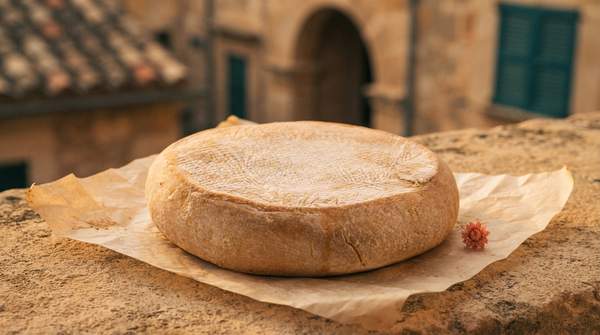
Natural rind aging is the opposite philosophy: minimal intervention, with the cheese wrapped in cloth and left to form its own protective surface. The cloth binding helps regulate moisture and air exchange, while the affineur's chief action is simply turning the wheels regularly so they age evenly.
The celebrated example is Stockinghall Cheddar, which won Best of Show at the American Cheese Society competition in 2019. Made in collaboration with Old Chatham Creamery, the young wheels are wrapped in cloth and aged for at least a year in Murray's natural rind cave. Over that time, the trade press records, flavors of "meaty bacon and sour cream" develop, along with a bright finish of pineapple, in a texture that is both fudgy and crumbly. That profile comes not from washing but from slow moisture evaporation through the cloth and the gradual, undisturbed development of a thick, crusty rind.
Washed-Rind vs. Natural Rind: A Comparative Guide
The two methods can be read side by side as a set of inputs and outputs. Each row below traces how a deliberate action and a controlled environment produce a specific microbial community and, in turn, a recognizable flavor.
| Dimension | Washed-Rind Aging | Natural Rind (Clothbound) Aging |
|---|---|---|
| Aging technique | Regular washing of the cheese surface with a liquid solution | Minimal intervention, with the cheese wrapped in cloth |
| Key action | Rind is washed and turned to manage surface microbial growth, directly encouraging specific bacterial development | Cheeses are turned regularly, allowing a natural, thick, crusty rind to form |
| Environment | Cool, damp conditions—often above 90 percent humidity at around 50°F—though specifics vary by style and affineur | Environmental control rather than active washing; the cloth binding regulates moisture and air exchange during aging of a year or more |
| Microbial goal | Promote salt-tolerant bacteria such as Brevibacterium linens, with Microbacterium species appearing in later ripening stages | Allow the wheel's own slow surface ecosystem to form as moisture evaporates through the cloth |
| Resulting flavor profile | Strong, pungent, savory and often garlic-like flavors from volatile aromatic sulfur compounds | Earthy, nutty complexity—bacon, sour cream, and pineapple notes in the clothbound cheddar example |
| Example | Limburger, Trappist, and Brick—classic smear-ripened cheeses | Stockinghall Cheddar, cloth-wrapped and aged at least a year |
The comparison shows the essential distinction: washed-rind aging works by repeatedly manipulating the surface, while clothbound aging works by protecting it and letting time act. One pushes a selected microbiota onto the rind; the other lets a slow-developing rind define the cheese.
The Science Behind the Flavor: Microbial Transformations
Scientific reviews of smear-ripened cheeses explain the chemistry behind the pungency. High levels of proteolysis and lipolysis, concentrated at the cheese surface, produce the strong aroma characteristic of the style. The compounds behind the intense, garlicky flavor are volatile aromatic sulfur compounds, produced mainly from the amino acids methionine and cysteine during ripening by the biochemical activity of the surface smear microbiota.
Specific bacteria carry specific roles. Representatives of the genus Microbacterium, isolated in high numbers during later ripening stages because they cannot grow at a pH below 5.8, produce methanethiol—a major flavor compound of smear-ripened cheeses. Growth-promoting effects between Microbacterium gubbeenense and Brevibacterium linens have been described in the literature, meaning the rind functions as an interacting ecosystem rather than a single culture. This microbial detail also reflects tradition: European red-smear cheeses are made in artisanal farmhouse and small village dairies in some countries and more industrialized medium-sized operations in Germany, France, and Denmark, and differences in raw materials, production manner, curing techniques, and ripening give each variety its distinctive flavor and appearance.
Selecting Your Next Artisanal Cheese
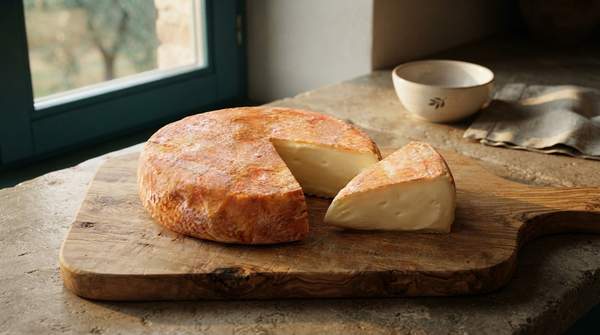
When choosing artisanal cheese, consider the aging technique—washed-rind for pungent, savory, and often garlic-like flavors, or natural rind (clothbound) for earthy, nutty, and complex profiles—to align with your desired taste experience. The most reliable indicator at the counter is the rind itself: the presence of a moist, reddish-orange rind signals a washed-rind cheese, whereas a thick, crusty, often mottled rind points to natural rind aging. Read the rind, and you can predict the cheese.