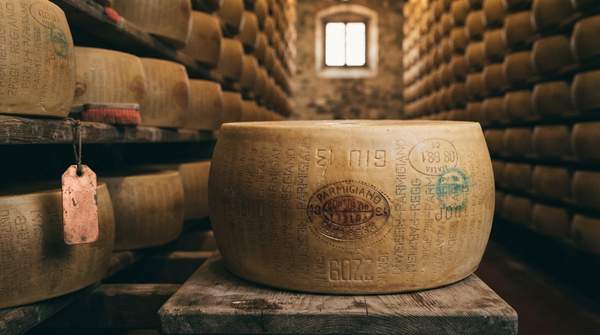
Artisanal Italian cheesemaking is a practice deeply rooted in tradition, where the unique characteristics of each cheese are shaped by its regional environment and centuries-old methods. This intricate process, far from industrial production, relies on specific milk types and the concept of "terroir"—the complete natural environment of a place—to create the diverse array of Italian cheeses we know and love.
From the rolling hills of Piedmont to the sun-drenched island of Sardinia, every Italian cheese tells a story of its origin. Understanding these foundational principles allows for a deeper appreciation of the distinct flavor and texture profiles that make Italian artisanal cheeses so special.
The Enduring Tradition of Italian Artisanal Cheesemaking
In Italy, cheese is more than just food; it's an integral part of daily life and regional identity. Traditional cheese production is largely artisanal, preserving the nutritional and sensory qualities of milk through methods passed down through generations. This commitment to tradition means that even larger-scale Italian cheese production often adheres to strict rules and traditional processes, especially for protected cheeses like those with DOP (Protected Designation of Origin) status.
Throughout the Middle Ages and Renaissance, Italian cheesemaking evolved, leading to the emergence of distinct regional specialties. Northern Italy saw the rise of cheeses like Gorgonzola and Parmigiano-Reggiano, while southern Italy developed iconic varieties such as Mozzarella di Bufala and Pecorino Romano. These cheeses became central to local economies and food culture, fostering a deep pride in artisanal products that ultimately led to the formation of protected designations, safeguarding authentic methods and regional identities.
Understanding Terroir: The 'Taste of Place'
The concept of terroir, often associated with wine, is equally vital in the world of artisanal cheese. It represents the complete natural environment where a particular cheese is produced, encompassing factors such as soil, topography, and climate. This intricate combination of elements, along with the cultural know-how behind agricultural products, imparts distinct flavors and aromas to artisanal cheeses that are difficult to replicate elsewhere.
Terroir is essentially the "taste of place," reflecting not only the material conditions of a locale but also the shared customs and traditions that define it. For instance, the biodiversity of a native terroir is protected by designations of origin, which mandate specific traditional practices in cheese production. This ensures that the cheese truly embodies the unique environmental and cultural characteristics of its region.