If you want to make French pastries at home, you don't need a professional kitchen — you need a digital kitchen scale, a French-style rolling pin, piping bags with tips, and a bench scraper. That's the verdict that emerges when you line up advice from pastry educators and practicing pâtissiers: buy those four first, and add tart rings and Silpat mats later as your skills grow. Here's what each one actually does, and what to look for when you buy.
The Foundation of French Patisserie: Precision and Essential Tools
What separates patisserie from everyday baking? Precision. As the culinary school École Ducasse puts it, in professional kitchens "precision and consistency are everything," and a small mistake — too much flour, overmixing, a misread oven dial — "can completely alter the final result." That's why chefs rely on calibrated equipment and accurate scales, and why the butter's temperature alone changes how it emulsifies with sugar during creaming.
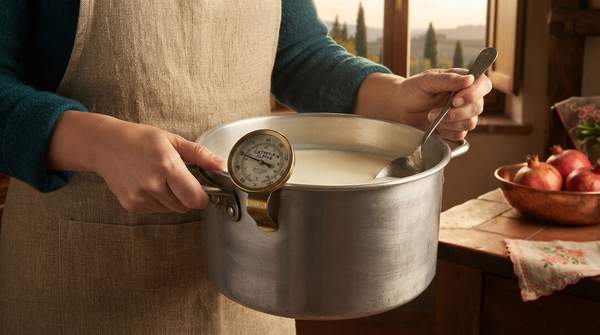
This has a practical consequence for your shopping list. Tools that support exact measurement, even dough work, and controlled shaping aren't optional luxuries in this craft; they're the difference between a tartlet shell that bakes evenly and one that doesn't. Molly J Wilk, who teaches French pastry classes in Versailles and online, points beginners toward the same short list: a pastry scraper, a rolling pin, piping bags, and a thermometer for accurate temperature control. In other words, a handful of modest tools covers the essential techniques.
Four Essential Tools for the Aspiring Home Patissier
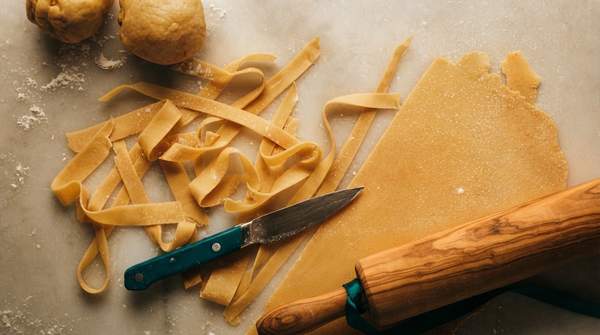
So which four should you actually buy, and in what order? Working from the recommendations above, here's the reasoning. The scale comes first because weighing "the right amount is the basis for the success of your recipe," as the pastry writer behind Wildflour Pâtisserie puts it — she even describes a workaround of weighing the smallest detectable amount into a bowl and dividing by eye, which only underlines how central the scale is. The French-style rolling pin comes next: its flat, handle-less design "makes it easier to apply pressure evenly," which matters for tartlet shells and craquelin on éclairs.
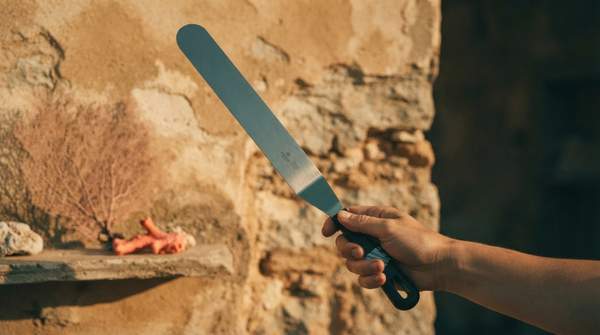
Piping bags and tips earn their place because piping supports even portioning across trays, pans, and molds — a matter of consistent results, not just decoration. The Little French Bakery, which sells equipment suggestions for its students, favors sturdy 18-inch bags for piping filling and choux pastry, and an Ateco tip set described as covering nearly any pastry. The bench scraper rounds out the four: it's cheap to get, available in most baking stores and many supermarkets, and ensures you don't waste the dough, mousse, or cream you carefully weighed.