Spanish vermouth is not one drink but several, and the difference comes down to where the base wine is grown. A vermouth from Jerez tastes nothing like one from Ribera del Duero, and Catalonia offers yet another register entirely. This guide compares three bottles that show those regional styles clearly — Barbadillo Atamán from Jerez, Golfo Vermut from Ribera del Duero, and Luna Reserva from Catalonia — so you can pick the one that matches your palate and your occasion.
Jerez: The Sherry-Influenced Elegance
Everything around Jerez has a captivating style, and its vermouth inherits it. The region's tradition runs deep: in the first half of the 20th century, many bodegas owned at least one vermouth brand, though that boom later faded along with the mass production of these wines. Today the tradition is being revived by sherry houses themselves.
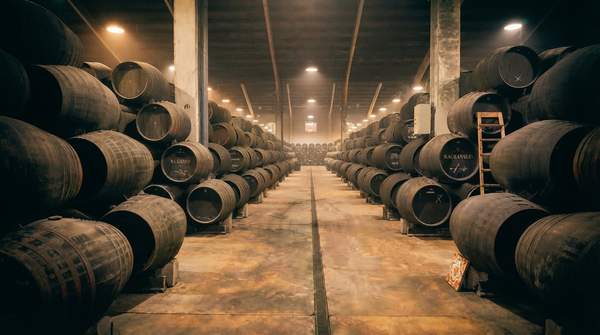
The standout example is Barbadillo Atamán, which the Guía Peñín tasting team has rated as the most highly rated vermouth it has evaluated to date. The guide describes it as "superb in every aspect, complex in aromas and flavours, to the point where tasting it becomes a sort of historical adventure in which you decipher everything that is inside." Its character reflects what the guide calls the "idiosyncrasy of the wines of the Marco" — the sherry country around Jerez.
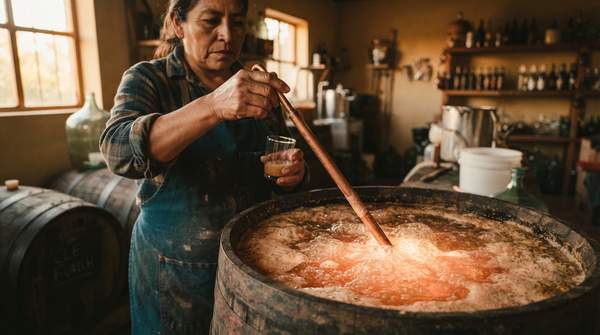
That sherry influence is structural, not incidental. As food and travel writer Marti Buckley explains, many traditional Spanish producers age their vermouth in old sherry casks — particularly in Jerez — adding another layer of complexity. The base wine matters too: in Spain, producers often use indigenous grapes like Palomino, the same grape used in sherry. If your taste runs toward nutty, layered, savory drinks, this is the style to seek out.
Ribera del Duero: Spicy and Robust
Head inland to Ribera del Duero and the profile changes completely. Here the vermouth is built on red wine rather than sherry grapes, and the result is warmer and more assertive on the palate.
Golfo Vermut, produced by respected Ribera del Duero winemaker Cillar de Silos, is the representative example. It is a relatively new vermouth, based on old-vine Tempranillo — the region's signature red grape — and, as described in PUNCH's guide to the Spanish vermouth renaissance, it is "dominated by notes of warm spice, particularly clove."
That spice-forward character makes it a natural fit for drinkers who find some vermouths too sweet or too delicate. The botanical alchemy behind all Spanish vermouth is considerable: Buckley notes that most Spanish vermouths contain between 25 and 50 different botanicals, with recipes closely guarded by each producer. In a Tempranillo-based vermouth like Golfo, those botanicals meet a darker, more structured wine, and the warm spice notes carry the day.
Catalonia: From Classic Reds to Fresh Aromatics
Catalonia is the historic heartland of Spanish vermouth culture, and it produces a broader range of styles than either of the other two regions. The classic Catalan expression is the sweet red vermouth, but the region also yields fresher, more aromatic bottles that surprise drinkers expecting the traditional profile.
Luna Reserva illustrates that diversity. As PUNCH describes it, this Catalan vermouth undergoes a maceration that follows the lunar calendar — the process always begins during the waning moon and lasts for a cycle and a half. It is based on the xarel-lo grape, a white Catalan variety, and spends six to nine months in red wine barrels. The result, per the same description, is "surprisingly fruity with hints of juniper."
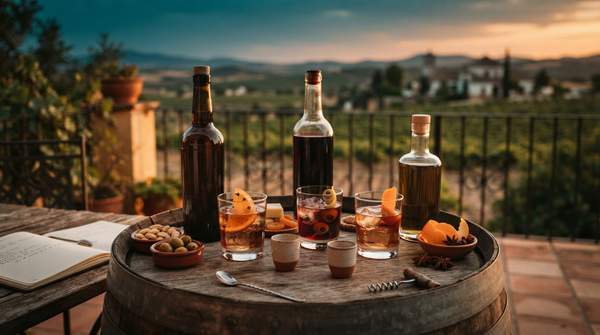
Whatever the bottle, vermouth in Spain is inseparable from its ritual. As the retailer Master of Malt puts it, Spanish vermouth "transcends its role as a mere beverage, emerging as a cultural ritual, especially during 'La Hora del Vermut'" — the Vermouth Hour, traditionally enjoyed midday as a social occasion built on leisure and camaraderie. Buckley's guide covers exactly this: what vermouth is, how it's made, when and where to drink it, and what pairs with it, alongside the Marianito, the classic aperitif serve.
Spanish Vermouth Regional Comparison
The table below compares the three representative bottles across consistent attributes — region, base wine, flavor profile, and best use — so you can see at a glance which regional style suits your taste. The flavor descriptions are drawn from published tasting notes, and individual palates may experience them differently.
| Vermouth | Region | Base Wine | Key Flavor Profile | Best For |
|---|---|---|---|---|
| Barbadillo Atamán | Jerez (Marco) | Palomino tradition; aged in sherry casks typical of Jerez producers | Complex in aromas and flavours; layered, savory, sherry-influenced | Sippers who want depth and a nutty, historical character |
| Golfo Vermut | Ribera del Duero | Old-vine Tempranillo | Warm spice, particularly clove | Drinkers who like robust, spice-forward profiles |
| Luna Reserva | Catalonia | Xarel-lo, aged six to nine months in red wine barrels | Surprisingly fruity with hints of juniper | Those wanting a fresher, aromatic style within the Catalan tradition |
Read the table as a decision tool rather than a ranking. The Jerez style rewards slow sipping and attention; the Ribera del Duero style suits bolder moments; the Catalan bottle bridges fruit and tradition. These three are representative examples chosen to illustrate regional styles, not an exhaustive list of Spanish vermouths.
Selecting Your Spanish Vermouth
Choose a Spanish vermouth based on its regional style, flavor profile, and intended occasion — whether that's slow sipping or the midday Vermouth Hour with friends. The framework is simple. If sherry's savory complexity appeals to you, start with Barbadillo Atamán, the bottle the Guía Peñín tasting team has rated highest to date. If warm clove spice over a red-wine backbone sounds like your evening, Golfo Vermut from Cillar de Silos is the pick. If you want fruit and juniper with a Catalan story — maceration timed to the waning moon — Luna Reserva is the one to ask for.
Keep in mind what all three share: a fortified wine base, a maceration of dozens of botanicals, and in the traditional cases, time in barrel — a process Buckley notes can take anywhere from three months to two years before bottling. That shared craft is what makes the regional differences worth exploring rather than overwhelming.
The measurable outcome is straightforward: walk into a shop or scan a bar list and confidently select a specific Spanish vermouth bottle that aligns with your taste preferences and desired use. If you can name your bottle — Atamán, Golfo, or Luna Reserva — and explain why its region and flavor profile suit you, this guide has done its job.