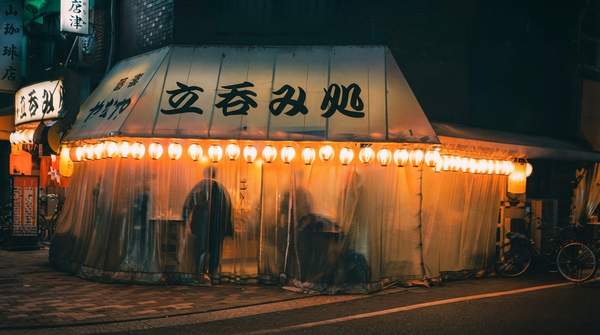
The izakaya began not as a restaurant at all, but as a convenience: a sake shop where tired customers simply refused to carry their purchase home. From those wooden benches outside medieval and Edo-period liquor shops grew one of Japan's most adaptable social institutions—a place that evolved from a male laborer's after-work stop into a diverse gastropub serving women, students, and party groups with food, cocktails, and wine.
Introduction: The Enduring Appeal of the Izakaya
Why do people still gather at izakaya to share food, drinks, and good company? Part of the answer lies in how the institution came to be. The very name records its origin: according to the sake publication SAKETIMES, where historian Eric C. Rath traces the eatery's history, izakaya is a compound of iru, "to stay," and sakaya, "sake shop"—indicating that izakaya originated from sake shops that allowed customers to sit on the premises to drink. The word only entered English by 1987, but the practice it describes is far older, with roots intertwined with sake itself. In daily conversation, izakaya are sometimes called akachōchin, "red lantern," after the paper lanterns traditionally hung in front of them.
From Humble Sake Shops to Drinking Spots (14th–17th Century)
The story reaches back to fourteenth-century sake shops called sakaya, which both brewed and sold sake. A typical medieval sakaya used hundreds of ceramic vessels to make and store the drink, and to keep the 250-liter (66-gallon) pots from falling over, brewers sank them into the earth for stability. This created an unexpected constraint: since the sake pots could not be moved, customers who wanted to buy sake had to visit the sakaya themselves and bring their own containers to fill.
That necessity put drinkers physically inside the shop, and behavior followed. As one account of the izakaya's invention describes, customers in the Edo period (1603–1868) traditionally bought sake in large wooden casks or ceramic jugs to carry home. But shop owners noticed a shift: many patrons, weary from their daily labors, preferred to drink immediately rather than wait until they returned home. The response was modest—simple wooden benches or empty barrels placed outside the storefront—yet it was decisive. The izakaya was not a sudden culinary revolution but, as that account puts it, "a natural, organic evolution of hospitality."
The Edo Period Transformation: Food and Social Hubs
Once customers were sitting down, the shop's role expanded. SAKETIMES notes that the history of this casual eatery can be traced back more than 250 years in Japan, and the Edo period marked the formal beginning of the izakaya concept: a sake shop where one stayed to drink. Simple snacks—tsumami or sakana—such as grilled fish, simmered dishes, pickled vegetables, and tofu were introduced to complement the sake, transforming what had been purely retail into a rudimentary eatery.
The social function solidified alongside the menu. Izakaya became a place where people unwound, shared stories, and forged connections after work—initially a post-work stop for male laborers, who drank sake and beer there informally. Even the drinking customs reflected the setting: for the most part, Japanese izakaya customers do not eat rice or noodles at the same time as they drink alcohol, since sake, brewed from rice, traditionally takes the place of rice in a meal. Anecdotes and songs appearing in the Kojiki suggest that izakaya-style establishments may have existed in Japan as early as the 700s—though these are possible antecedents, not direct izakaya.
Timeline: The Evolution of the Izakaya
The table below sequences the key stages of the izakaya's development, connecting each era's function, offerings, and social role so the progression from sake shop to gastropub can be grasped at a glance.
| Period / Era | Key Development | Cultural / Social Role |
|---|---|---|
| Early mentions (c. 700s) | Anecdotes and songs in the Kojiki suggest izakaya-style establishments existed in Japan (a possible antecedent, not a direct izakaya) | Early precedent for drinking establishments |
| Medieval era (14th century) | Sake shops called sakaya both brewed and sold sake; immovable sunken pots meant customers brought their own containers to fill on site | Retail point that drew drinkers into the shop |
| Edo period (1603–1868) | Sakaya owners placed benches and barrels outside so patrons could drink on the premises—the formal beginning of the izakaya concept ("to stay" + "sake shop") | Post-work stop for male laborers to rest and drink |
| Edo period (1603–1868) | Simple snacks (tsumami or sakana) such as grilled fish, simmered dishes, pickled vegetables, and tofu were served to complement sake, transforming shops into rudimentary eateries | Vital social institution for unwinding, sharing stories, and forging connections after work |
| Modern era (20th–21st century) | Menus and interiors broadened; izakaya spread outside Japan from the 1980s; the word entered English by 1987 | Inclusive social hub: clientele shifted from primarily men to include independent women, students, and diverse groups |
Read across the rows, the pattern is cumulative rather than disruptive: each era added a layer—drinking on site, then food, then a wider public—without abandoning the original premise of staying for a drink.
Modern Evolution: Diversity and Inclusivity
The most striking change is in who walks through the red lantern. Izakaya were traditionally informal places where men drank sake and beer after work. Modern izakaya customers, however, are more likely to include independent women and students, and many establishments today cater to this more diverse clientele by offering cocktails and wines alongside a sophisticated interior. Chain izakaya are often large and offer a wider selection of food and drink, allowing them to host big—sometimes rowdy—parties.
The format has also traveled. SAKETIMES notes that izakaya have made headway outside Japan since the 1980s, carrying abroad a concept that had been maturing at home for well over two centuries. What exported was not a fixed menu but a flexible template: drinks, small dishes, and an atmosphere built around lingering.
The Enduring Legacy of the Izakaya
The izakaya has proven to be a highly adaptable and culturally significant institution, evolving from a simple drinking spot to a diverse culinary and social hub. Its history suggests why: the institution was never defined by a single product or clientele. It began because customers wanted to sit down, gained food because seated drinkers wanted something to eat, and widened its doors as Japanese society itself changed.
The measurable indicator of that legacy is the continued diversification of izakaya menus and clientele, and its sustained presence as a "third place" in Japanese society—neither home nor workplace, but the bench outside the sake shop, endlessly reinvented. For the reader watching this evolution, the signposts are concrete: who is drinking there, what is on the table besides sake, and whether the red lantern still marks a place where people stay.