Italy offers two fundamentally different ways to eat your way through the country, and picking the wrong one can turn a dream trip into a mismatch. The guided food tour is built around tasting and discovery; the immersive culinary vacation is built around learning and connection. The comparison site Cooking Italy frames the choice plainly: the right pick depends on whether you want a local guide leading you through a city's food scene, or you want to learn to cook traditional recipes yourself. Here's how the two models differ, and how to know which one fits your pace, your hands, and your appetite for culture.
Understanding Italian Culinary Travel: Tours vs. Vacations
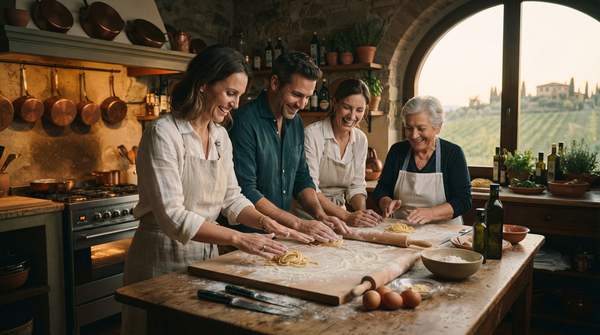
Strip away the branding and most Italian food travel falls into one of two camps. In one, food is the lens for exploring a place: you walk, you taste, a guide interprets. In the other, the kitchen itself is the destination. Matthew Martin, writing for LaChiusa, a hotel and restaurant in Tuscany, describes that second model as a trip where "cooking, tasting, learning, and connecting with local food culture is the entire point" — where the kitchen matters as much as any cathedral or museum, and where you come home with recipes and skills rather than just photos.
The distinction matters because the two models compete for the same days of your itinerary, and they deliver different things. A food tour maximizes breadth: how many dishes, markets, and neighborhoods can you encounter? A cooking vacation maximizes depth: how well can you understand one cuisine, one place, one way of cooking? Cooking Italy's own comparison treats both as authentic routes to Italian food culture — the difference is not quality but perspective.
There's also a market signal worth noting. Citing the World Tourism Organization, Martin reports that food tourism now accounts for roughly one third of all travel spending globally, with culinary vacations — trips combining immersive cooking with travel — representing its fastest-growing segment. In other words, you're choosing between the established default and the model more travelers are actively seeking out.
Guided Food Tours: Taste and Discover
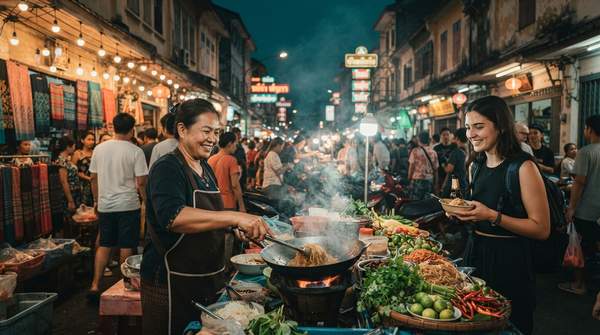
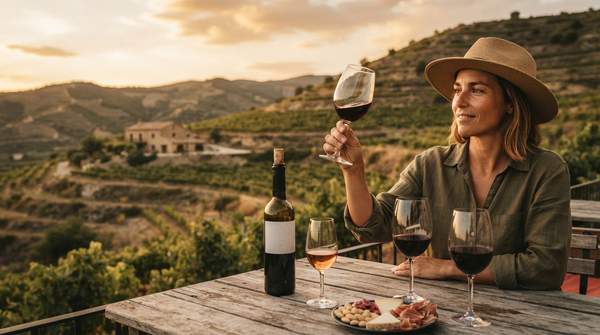
The guided food tour is structured cultural exploration. Its focus, as Cooking Italy summarizes it, is tasting and discovery: you sample a wide range of local foods, and the cultural insight comes through the context of the city and neighborhood you're moving through. The guide translates what's on the plate into what it means about the place.
The defining trait is pace. These tours run dynamic and social — you're out in the streets, meeting people, moving between stops, and absorbing a broad picture of a local food scene in a compressed window. That speed is the point. You trade depth for range, and for many travelers on a first visit, that's exactly the right trade: a few well-chosen hours that orient you to a city's culinary personality.
Cooking Italy's profile of the ideal participant is telling: first-time visitors. If your Italy itinerary is packed with art, history, and sights, a food tour slots into it without demanding that food become the whole trip. You eat spectacularly, learn enough to order smarter for the rest of your stay, and leave with a broad map of the local cuisine rather than a mastery of any single dish. The limitation is equally clear — you taste things, but you don't make them, and your connection to the food stays one layer deep.