Pick up a bag of beans and the roast level on the label tells you more than most people realize: what flavors you'll taste, how bright or heavy the coffee will feel, and even how hot your water should be. The short answer is that light roasts preserve a bean's fruity, acidic origin character and reward pour-over brewing, medium roasts balance origin and roast flavors for everyday drip, and dark roasts deliver bold, roast-forward body that suits espresso and milk drinks. Roasters I've surveyed largely agree on the flavor map — but they differ on water temperature, so I'll show you where and why. Below is a comparison guide, plus the brewing adjustments that pull the best out of each roast.
Light Roasts: Celebrating Origin Flavors
Light roasts are the roaster's way of stepping aside. Because they're roasted for the shortest time — Stumptown Coffee pegs its light roast period at roughly 10–11 minutes — the beans keep more of their original flavor than darker roasts do, as Community Coffee's guide puts it. That's why a citrusy Ethiopian and a floral Kenyan taste strikingly different from each other even at the same roast level. The roast is a window, not a paint job.
Expect the highest acidity of the three levels, a light body, and fruit-forward, citrusy flavor; some roasts even show hints of white tea or honey. The beans stay light brown with no oil on their surface. One caveat from the evidence: those flavor notes are typical, not guaranteed — the specific bean's origin can shift them considerably, which is rather the point of choosing a light roast.
Medium Roasts: The Art of Balance
Medium is where origin and roast start sharing the stage. Copper Moon Coffee's Nick Thompson describes the transition well: medium roasts "start to take on a bit of the taste from the roasting process, losing some of the bright floral flavors that are typical of a Light Roast," trading them for a more balanced profile — think chocolate, nuts, or caramel. Roasted until just before the second crack, typically around 410–440°F by Copper Moon's measure, they're brown, a bit thicker-bodied than light roasts, and carry a moderate, smoother acidity.
Verena Street Coffee's roast guide calls medium the most neutral and broadly appealing option, paired with everyday drip brewing. If you want one bag that pleases a crowd, this is your lane — the fuller body still shows a whisper of the bean's brightness, but the roast's sweetness rounds it off.
Dark Roasts: Bold and Roast-Forward
Dark roasts abandon subtlety on purpose. The beans turn dark brown, sometimes almost black, with visible oils on their surface. Driftaway Coffee's comparison is blunt: when drinking a dark roast, "you're almost exclusively tasting notes from the roast," and the brightness of a light roast is replaced with body. The origin flavors that made a light-roast Ethiopian sing are largely transformed — caramelized and carbonized — into chocolate, smoke, and molasses notes.
Acidity drops as roasting time increases, which is why dark roasts taste smoother and less sharp to many palates. Verena Street recommends them for bold flavor lovers and for espresso or milk-based drinks, where their assertive character cuts through milk rather than getting lost in it.
Brewing for Perfection: Matching Method to Roast
Here's where the sources genuinely disagree, so I'll keep them separate rather than blend them into one false answer. Verena Street offers a coherent physical logic: light roasts are denser, so they need a slightly finer grind, a higher water temperature of 200–205°F, and a longer extraction; dark roasts extract faster, so they want a slightly coarser grind, 195–200°F, and careful timing to avoid bitterness.
Cooper's Cask Coffee, focusing on dark roasts, goes further — recommending cooler brews of 188–194°F specifically to reduce bitterness and highlight sweetness. But Lucky Goat Coffee, writing by Dan Watkins, points the opposite direction: 195–200°F for light roasts, 200–205°F for medium, and 203–207°F for dark, with the explicit caveat to treat these as starting points, since grind and processing also matter. Planetary Design's Madeline Staples lands in the middle: start at 200°F for medium roasts, raise to 201–205°F for light, lower to 195–200°F for dark.
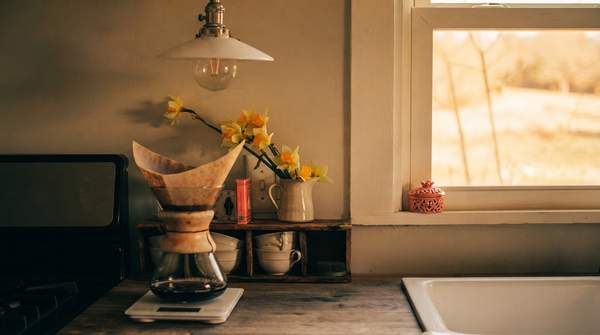
So which do you follow? If your dark espresso tastes bitter and ashy, you have Verena Street and Cooper's Cact logic on your side — go coarser and cooler. If it tastes sour and thin, Lucky Goat's warmer approach is a legitimate alternative. Grind guidance across the sources is directional rather than exact: finer for light, moderate for medium, coarser for dark. Method matters too — Verena Street pairs light roasts with pour-over and manual brewing to showcase their nuance, and Stumptown suggests a Chemex specifically for clarity and complex flavors.
Your Definitive Roast Comparison Guide
This table gathers each level's profile alongside its brewing matches, using the temperature schools above. Treat the temperature column as two legitimate starting positions, and adjust by taste.
| Roast Level | Flavor Profile | Acidity | Body | Recommended Brewing | Brewing Parameters (Temp/Grind) |
|---|---|---|---|---|---|
| Light | Fruit-forward, citrusy; hints of white tea or honey; preserves origin character | Highest; vibrant | Light | Pour-over / manual (e.g., Chemex) | Finer grind; 200–205°F or 195–200°F; longer extraction |
| Medium | Balanced; chocolate, nut, caramel notes; some origin character retained | Moderate; smooth | Fuller than light | Everyday drip | Moderate grind; ~200°F starting point; roasted to about 410–440°F, before second crack |
| Dark | Bold, roast-dominated: chocolate, smoke; mostly roast-derived flavors | Lowest | Heavy, rich; oily beans | Espresso and milk-based drinks | Coarser grind; cooler — 195–200°F, or 188–194°F per Cooper's Cask; careful timing to avoid bitterness |
How to use it: find the flavor column that matches your taste, check that you own the brewing gear in the next column, then start with the temperature for the source whose logic matches your problem — too bitter means cooler and coarser; too sour means warmer.
Choosing Your Perfect Roast and Brewing It Right
Select a coffee roast — light, medium, or dark — that aligns with your desired flavor profile, and adjust your brewing parameters, temperature and grind, to maximize its taste. That's the whole decision, and the evidence supports a simple test for whether you've made it well.
Start tonight with a medium roast at 200°F and a moderate grind — Verena Street's neutral pick — then branch out. If bright fruit intrigues you, grab a light roast and a pour-over dripper; if you drink mostly milk coffee, go dark and brew cool. The measurable indicator is a noticeable improvement in the flavor and aroma of your brewed coffee, matching the expected characteristics of your chosen roast level: a citrusy snap from the light bag, caramel balance from the medium, or smoky sweetness from the dark. If the cup tastes off, change one variable — temperature first — and taste again.
Sources
- Coffee Roasts Explained: Light vs. Medium vs. Dark — Stumptown Coffee
- Guide to Coffee Roasts: Light, Medium & Dark — Community Coffee
- What is the Difference Between Light, Medium, and Dark Roast Coffee? — Copper Moon Coffee
- Coffee Roast Levels Chart & Flavor Guide — Verena Street Coffee Co.
- What's the Difference Between Light, Medium & Dark Roast? — Driftaway Coffee
- The Ultimate Guide to Dark Roast Coffee Temperature for Brewing — Cooper's Cask Coffee
- The Best Temperatures For Coffee Brewing Perfection — Lucky Goat Coffee
- Pour Over Coffee Water Temperature: The Complete Guide — Planetary Design